









Designing intelligent interfaces for connected experiences

Services

/Connected products & HMI design

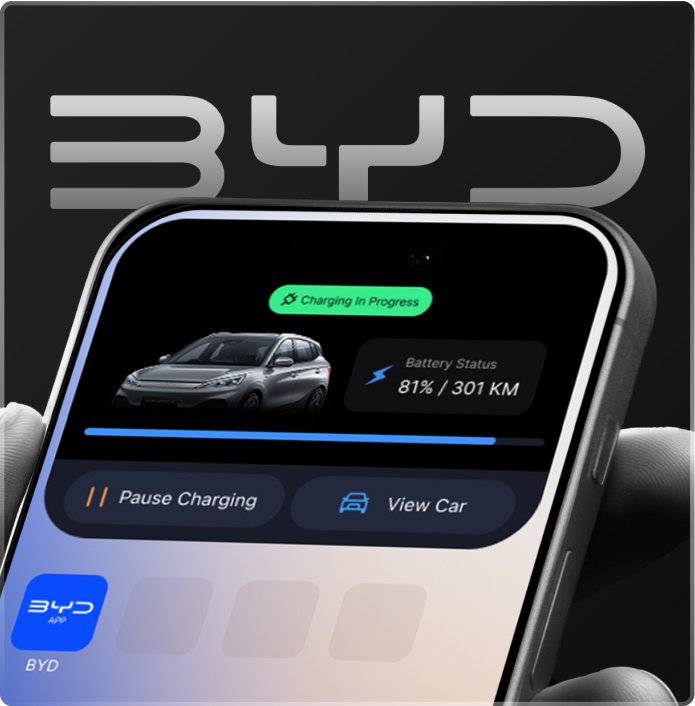
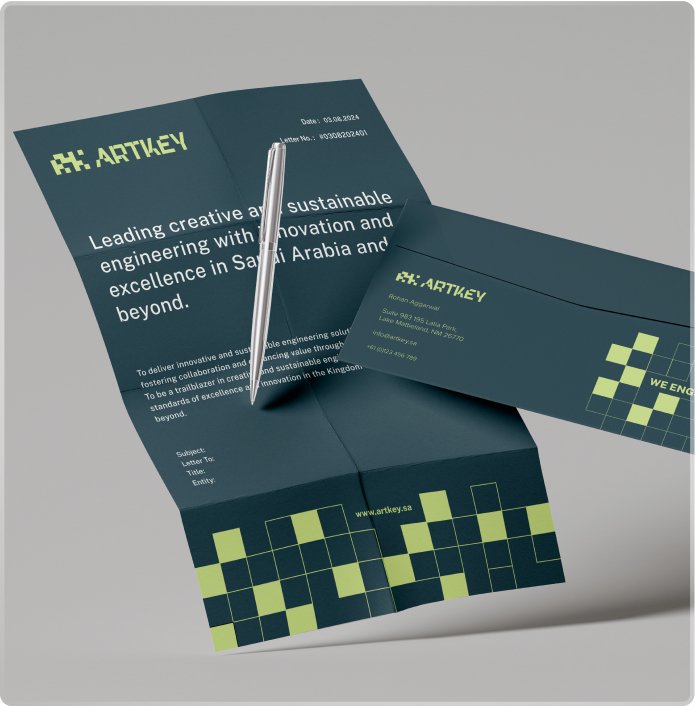
We design Human-Machine Interfaces (HMI) and connected product ecosystems that blend usability, aesthetics, and technology. Our goal is to create intuitive and responsive experiences that enable users to interact seamlessly with complex systems—whether embedded in industrial machinery, consumer electronics, or IoT-enabled devices.

banner 1
how we can help

We support product teams from concept to release, translating technical requirements and user insights into purposeful, elegant interfaces. Our approach integrates UX research, system architecture, and interface design, ensuring consistency across platforms and responsiveness to real-world use cases. We also collaborate with engineering teams to align interface behaviour with hardware capabilities and software constraints.

From Interface to
Ecosystem

Unlike traditional UI design, our strength lies in connecting physical and digital experiences. We don’t just design screens, we shape how users understand and control connected products through thoughtful interactions, voice, touch, and multimodal inputs. With deep experience in industrial HMI, smart devices, and multi-platform systems, we ensure your product ecosystem is scalable, future-ready, and human-centric.

banner 1

Company Name - Case study description

banner 1

Company Name - Case study description

banner 1

Company Name - Case study description

Main customers

mint logo
generali logo
logo
banco logo
pronto logo
intesa logo
engie logo
IBM logo
assist logo
generali logo
logo
banco logo

Our program

01/04

System Understanding
& Context

We begin by deeply analysing the product environment, its hardware, data flows, users, and physical context of use. This step aligns design intent with technical realities and ensures a clear understanding of user workflows, safety standards, and operational constraints. The result is a shared understanding between business, design, and engineering stakeholders.

Possible activities:
  • Technical feasibility studies
  • Hardware/software constraints mapping
  • User and environment research
  • Device ecosystem definition
  • Persona definition for embedded environments
  • Contextual inquiry in physical settings
  • Usage scenario modeling
02/04

Interaction
design

With context clarified, we define how users interact with the product. This includes input/output logic, interaction flows, safety cues, and accessibility, all tailored to the unique constraints of embedded interfaces. We ensure that every user action has a clear, intuitive response and that interactions reflect the product’s purpose and complexity level.

Possible activities:
  • Flowcharts and wireframes
  • Behaviour mapping and micro-interactions
  • Voice, gesture, and touch interactions
  • Accessibility considerations
  • State diagrams and feedback systems
  • Sensor/input-output mapping
  • Voice command design
03/04

Interface
prototyping

TWe simulate and test the interface across its real-world touch points, verifying how it behaves on different devices or under various operating conditions. These prototypes help reduce risk, validate technical constraints, and involve users in early feedback. It’s about stress-testing the UX before full-scale development.

Possible activities:
  • HMI simulation testing
  • Prototyping across resolutions and devices
  • Hardware/software prototyping
  • User feedback sessions
  • Multi-resolution interface adaptation
  • Gesture-controlled interaction test
  • Accessibility prototyping
04/04

Handoff &
Integration

We guide implementation by closely collaborating with engineering teams to ensure the interface performs as designed. This includes translating design logic into developer-ready specs and supporting QA for visual and behavioural fidelity. Post-launch, we run audits and adjustments to ensure long-term performance.

Possible activities:
  • Design system integration with dev
  • Engineering documentation
  • Firmware/UI spec alignment
  • Usability QA in context
  • Integration testing support
  • Post-release design audits
  • Developer co-creation sprints

We begin by deeply analysing the product environment, its hardware, data flows, users, and physical context of use. This step aligns design intent with technical realities and ensures a clear understanding of user workflows, safety standards, and operational constraints. The result is a shared understanding between business, design, and engineering stakeholders.

Possible activities:
  • Technical feasibility studies
  • Hardware/software constraints mapping
  • User and environment research
  • Device ecosystem definition
  • Persona definition for embedded environments
  • Contextual inquiry in physical settings
  • Usage scenario modeling

With context clarified, we define how users interact with the product. This includes input/output logic, interaction flows, safety cues, and accessibility, all tailored to the unique constraints of embedded interfaces. We ensure that every user action has a clear, intuitive response and that interactions reflect the product’s purpose and complexity level.

Possible activities:
  • Flowcharts and wireframes
  • Behaviour mapping and micro-interactions
  • Voice, gesture, and touch interactions
  • Accessibility considerations
  • State diagrams and feedback systems
  • Sensor/input-output mapping
  • Voice command design

We simulate and test the interface across its real-world touch points, verifying how it behaves on different devices or under various operating conditions. These prototypes help reduce risk, validate technical constraints, and involve users in early feedback. It’s about stress-testing the UX before full-scale development.

Possible activities:
  • HMI simulation testing
  • Prototyping across resolutions and devices
  • Hardware/software prototyping
  • User feedback sessions
  • Multi-resolution interface adaptation
  • Gesture-controlled interaction test
  • Accessibility prototyping

We guide implementation by closely collaborating with engineering teams to ensure the interface performs as designed. This includes translating design logic into developer-ready specs and supporting QA for visual and behavioural fidelity. Post-launch, we run audits and adjustments to ensure long-term performance.

Possible activities:
  • Design system integration with dev
  • Engineering documentation
  • Firmware/UI spec alignment
  • Usability QA in context
  • Integration testing support
  • Post-release design audits
  • Developer co-creation sprints

Our experts

profile 1
Himanshu Shastri

CHIEF MASTI OFFICER

profile 1
Himanshu Shastri

CHIEF MASTI OFFICER

profile 1
Himanshu Shastri

CHIEF MASTI OFFICER

Product & service design projects

Get in touch today

Discover how we foster
collaboration and streamline design
workflows

Book a Discovery CallDark right arrow icon for UI interactions | Flight Mode Studio Book a Discovery Call Dark right arrow icon for UI interactions | Flight Mode Studio